
Custom Silicone Gasket Manufacturer
Mavic manufactures custom silicone gaskets based on your 2D drawings, STEP files, physical samples, and specific application constraints. We evaluate interface compatibility, required closure force, and environmental exposure to determine the appropriate molded, die-cut, or LSR manufacturing process. Whether your project requires specific Shore A hardness, flame-retardant compounds, or precise dimensional tolerances for mass production stability, our engineering team reviews your design before tooling begins.
Custom Silicone Gasket Specifications
| Material | VMQ Silicone / LSR / Specialty Silicone / Project-Specific Compounds |
|---|---|
| Structure | Solid / Sponge / Foam / Molded |
| Hardness | Custom according to application requirements |
| Color | Pantone / Custom Color |
| Shape | Round / Rectangular / Frame / Flat / Irregular / Custom 3D |
| Thickness | Custom according to design |
| Manufacturing | Compression Molding / LSR Injection / Precision Die Cutting / Extrusion & Joining |
| Adhesive | Optional PSA backing |
| Surface | Smooth / Matte / Project Specific |
| Tolerance | Drawing, geometry and process dependent |
| Production | Prototype / Low Volume / Mass Production |
| Compliance | According to selected material and customer requirements |
What Is a Custom Silicone Gasket?
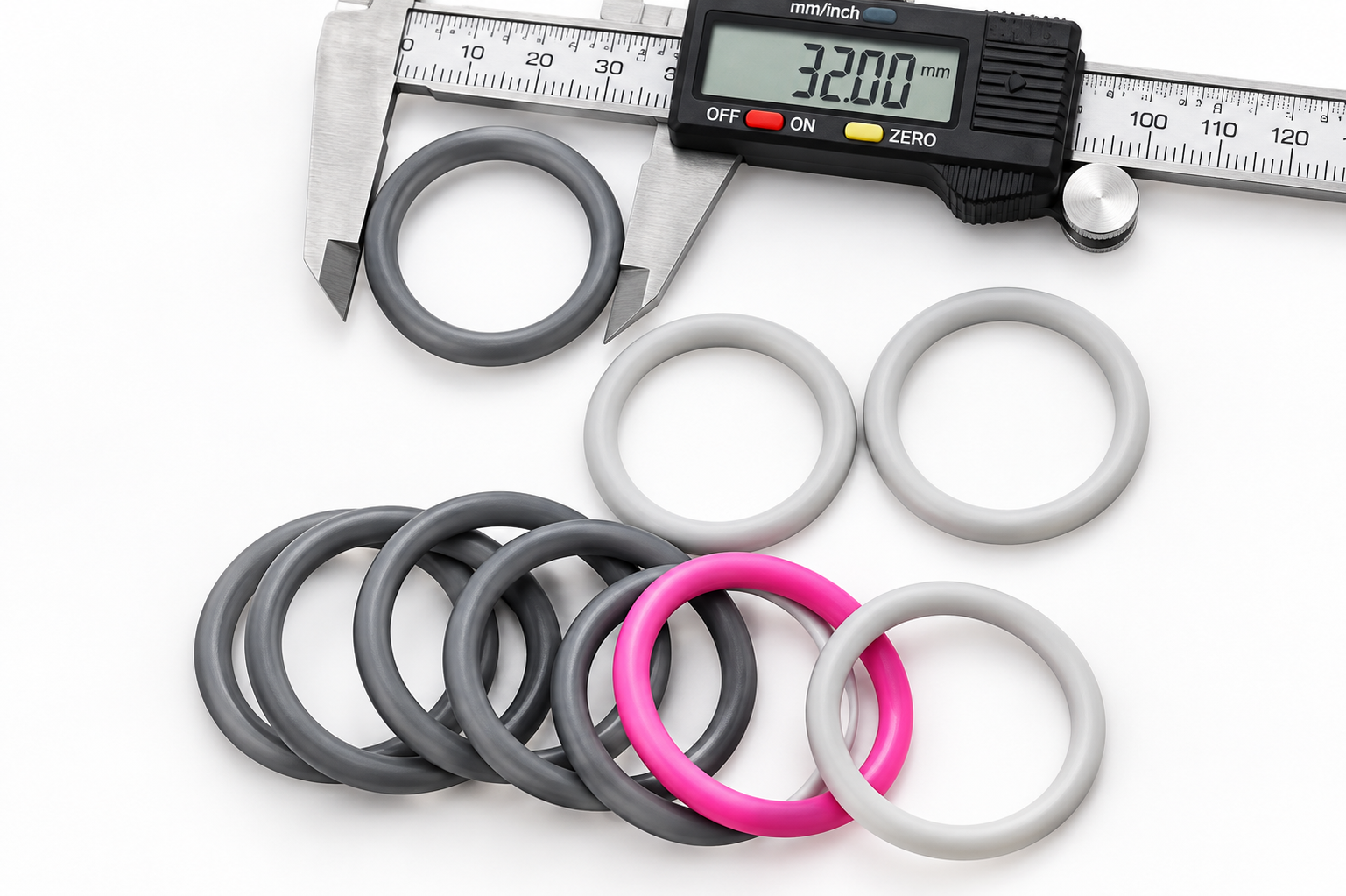
A custom silicone gasket is an elastomer sealing component manufactured to a specific geometry, size, material, hardness, and application requirement rather than selected from a standard catalog. It is positioned between mating surfaces to help control air leakage, fluid leakage, dust, moisture, vibration, and environmental ingress.
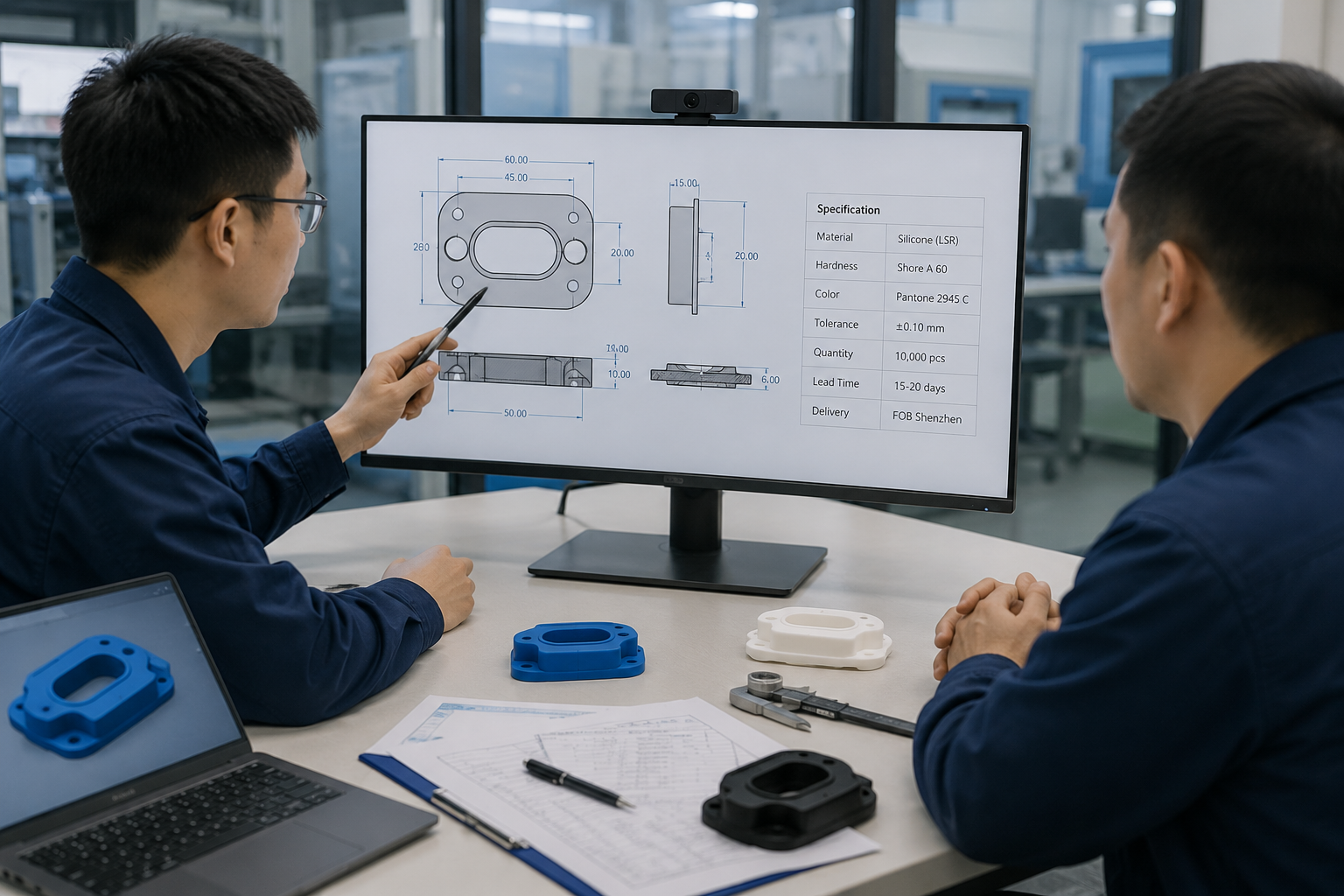
Environmental Sealing
Protects sensitive internal components from dust, dirt, and UV exposure in outdoor enclosures.
Fluid / Air Sealing
Maintains pressure differentials and prevents liquid ingress or egress along the sealing surface.
Cushioning & Vibration
Absorbs mechanical shock and isolates vibration between rigid enclosure components.
Electrical Isolation
Provides dielectric barriers between conductive surfaces, dependent on material selection.
Custom Silicone Gaskets We Manufacture
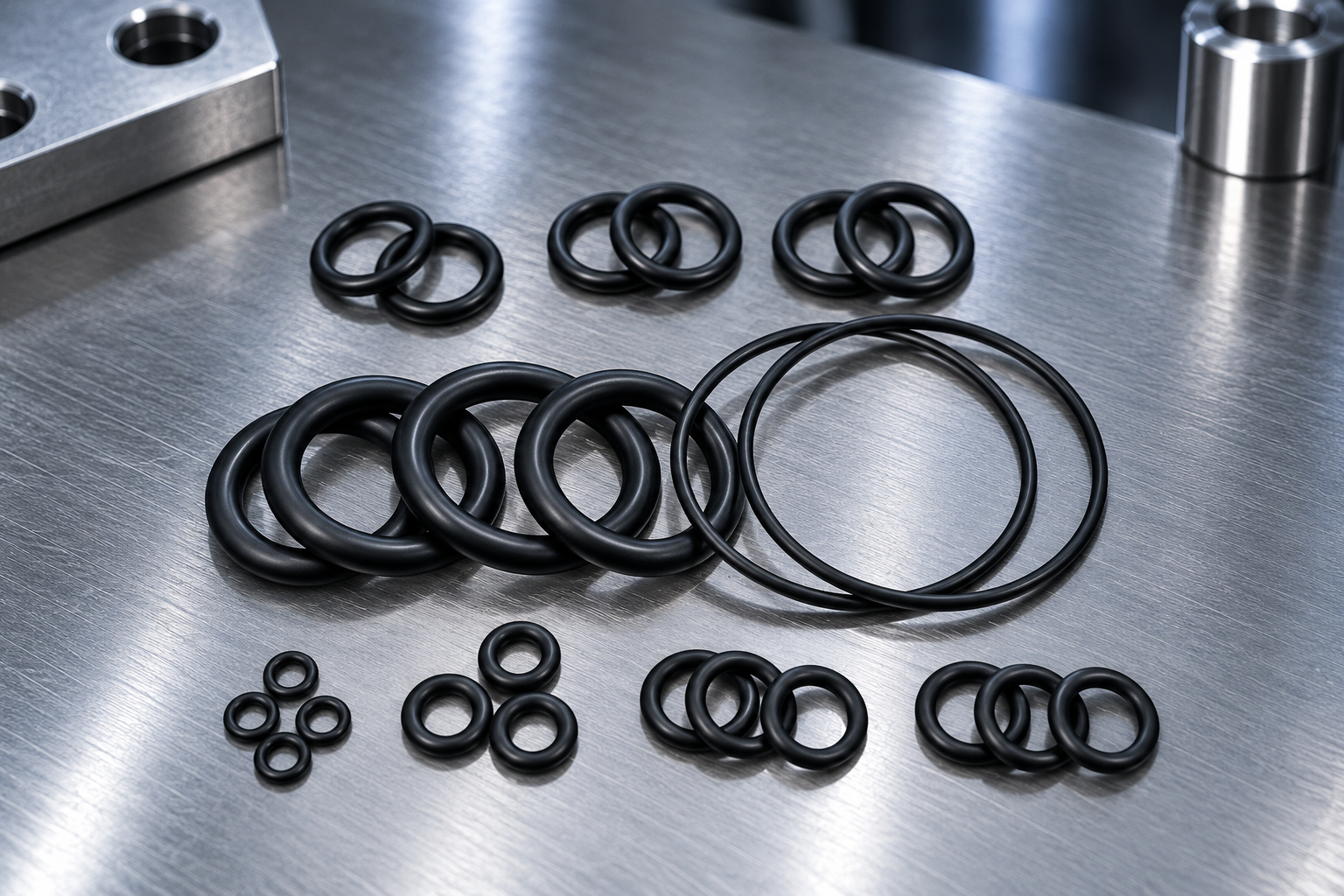
Molded Silicone Gaskets
Suitable for complex geometry, integrated sealing beads, 3D structures, locating features, and custom cross-sections.
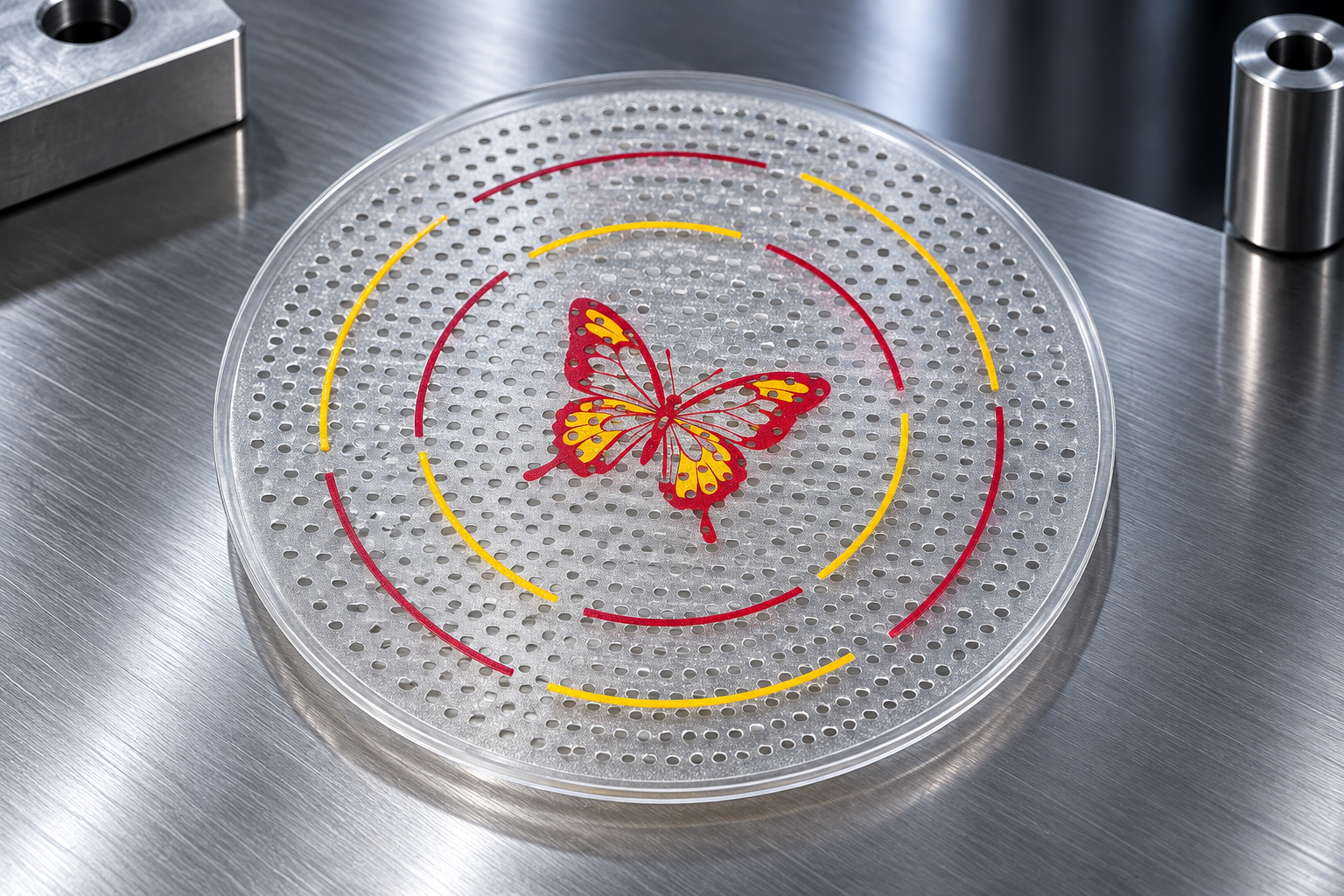
Die-Cut Silicone Gaskets
Precision die-cut with 999 holes and custom screen-printed graphics.
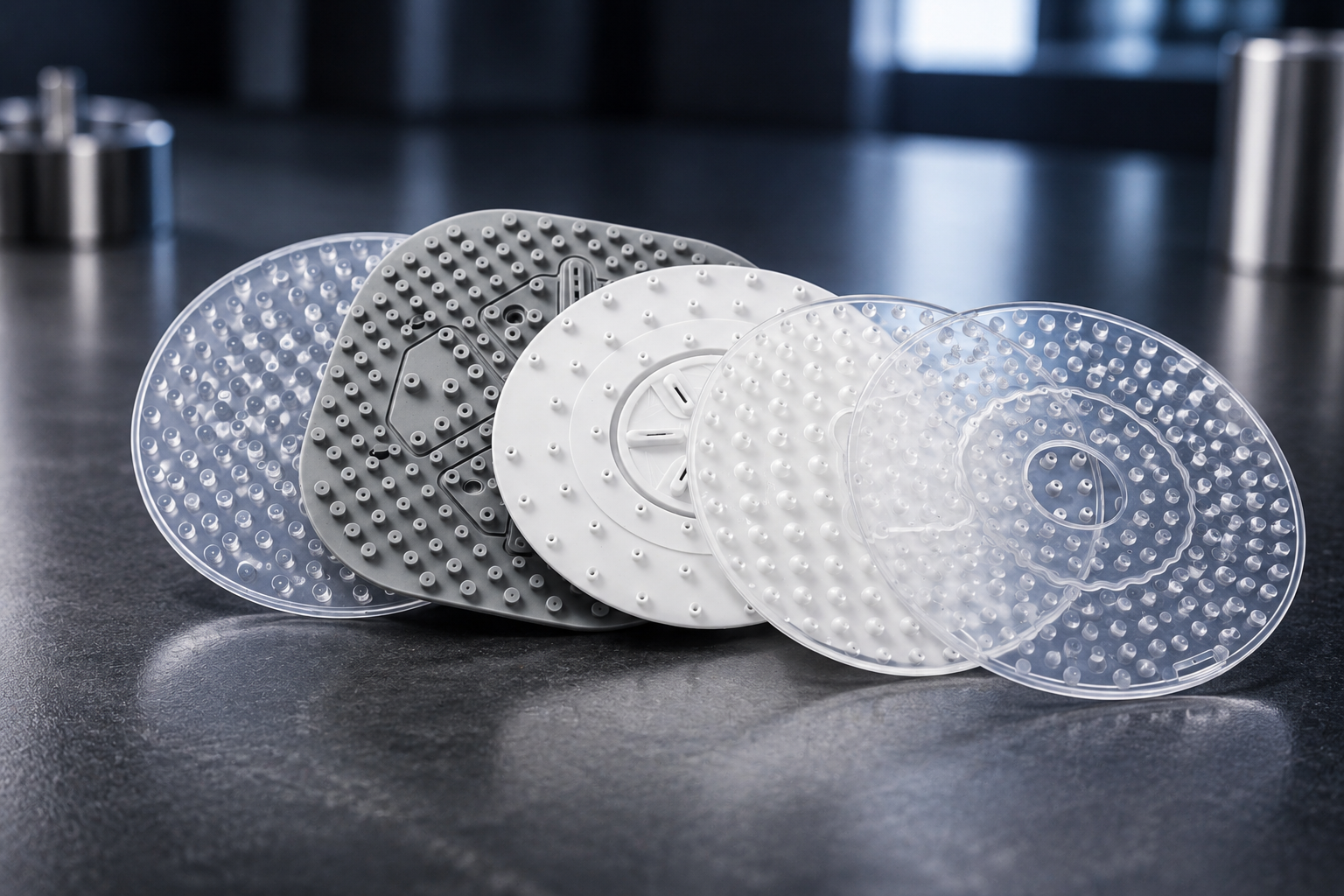
LSR Silicone Shower Nozzles
Precision-molded LSR with 3 mm holes for smooth, consistent water flow.
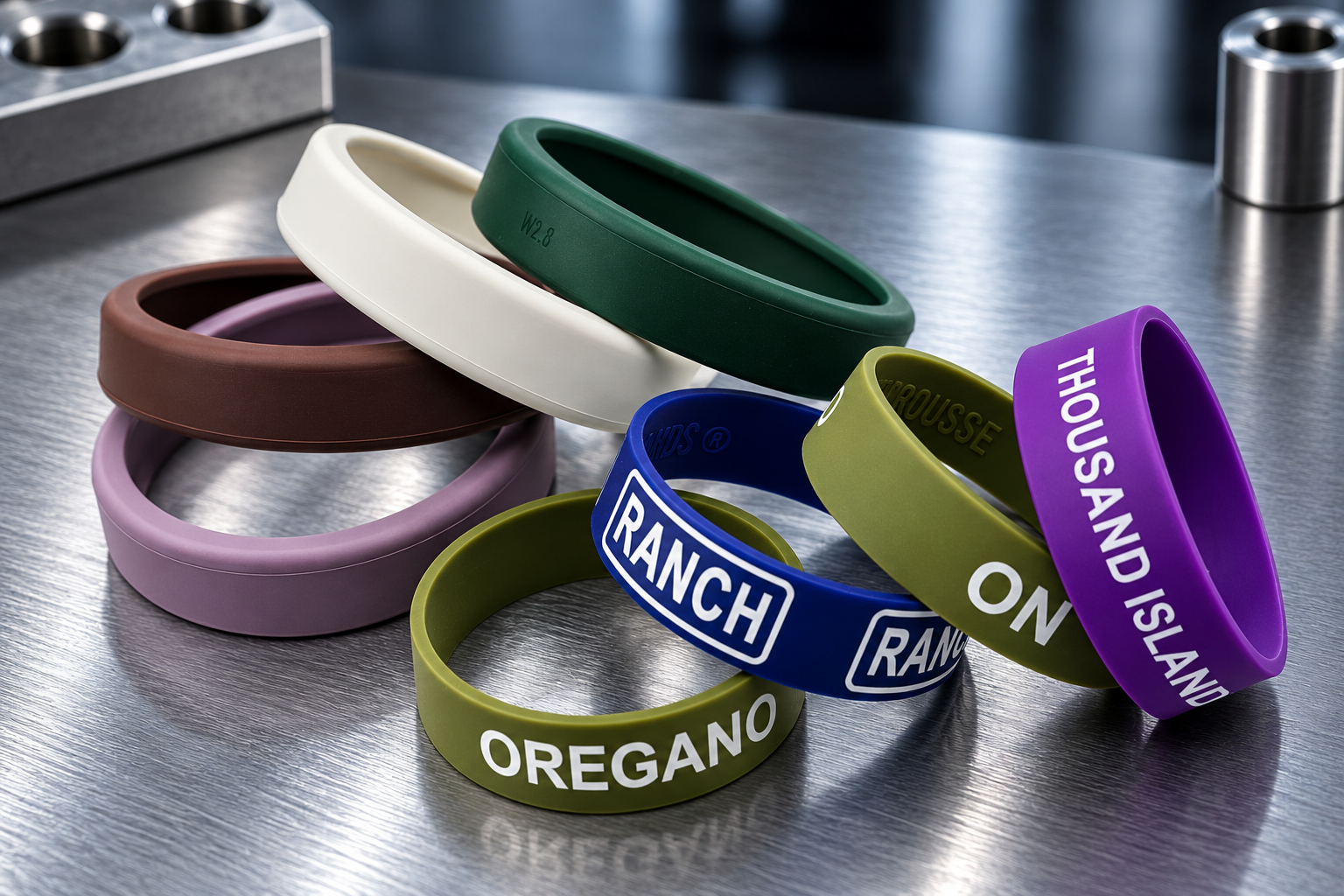
Silicone Wristbands
Custom silicone wristbands with flexible colors, logos & designs.
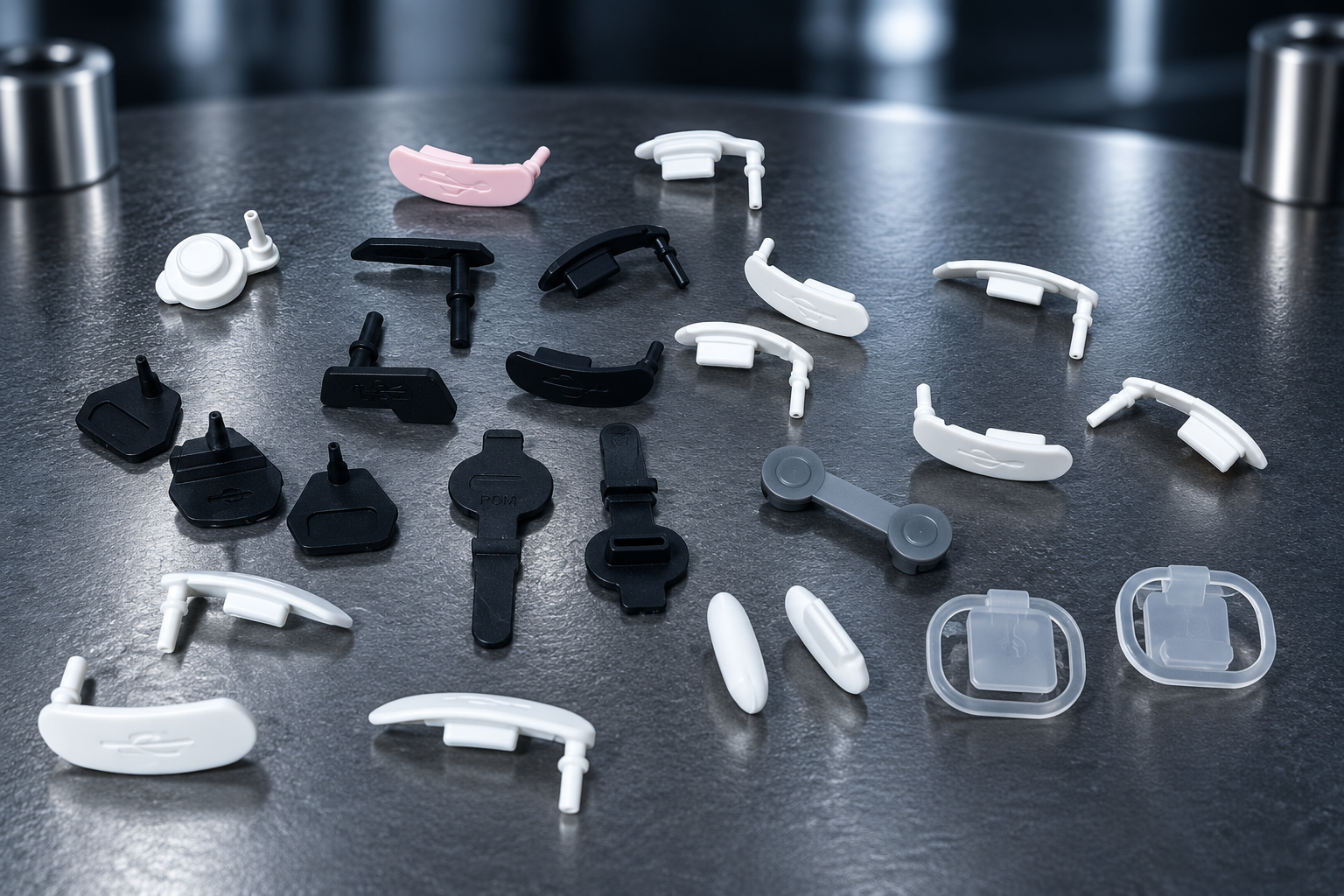
Silicone USB Plugs
Custom silicone plugs for USB port sealing, dust & moisture protection.
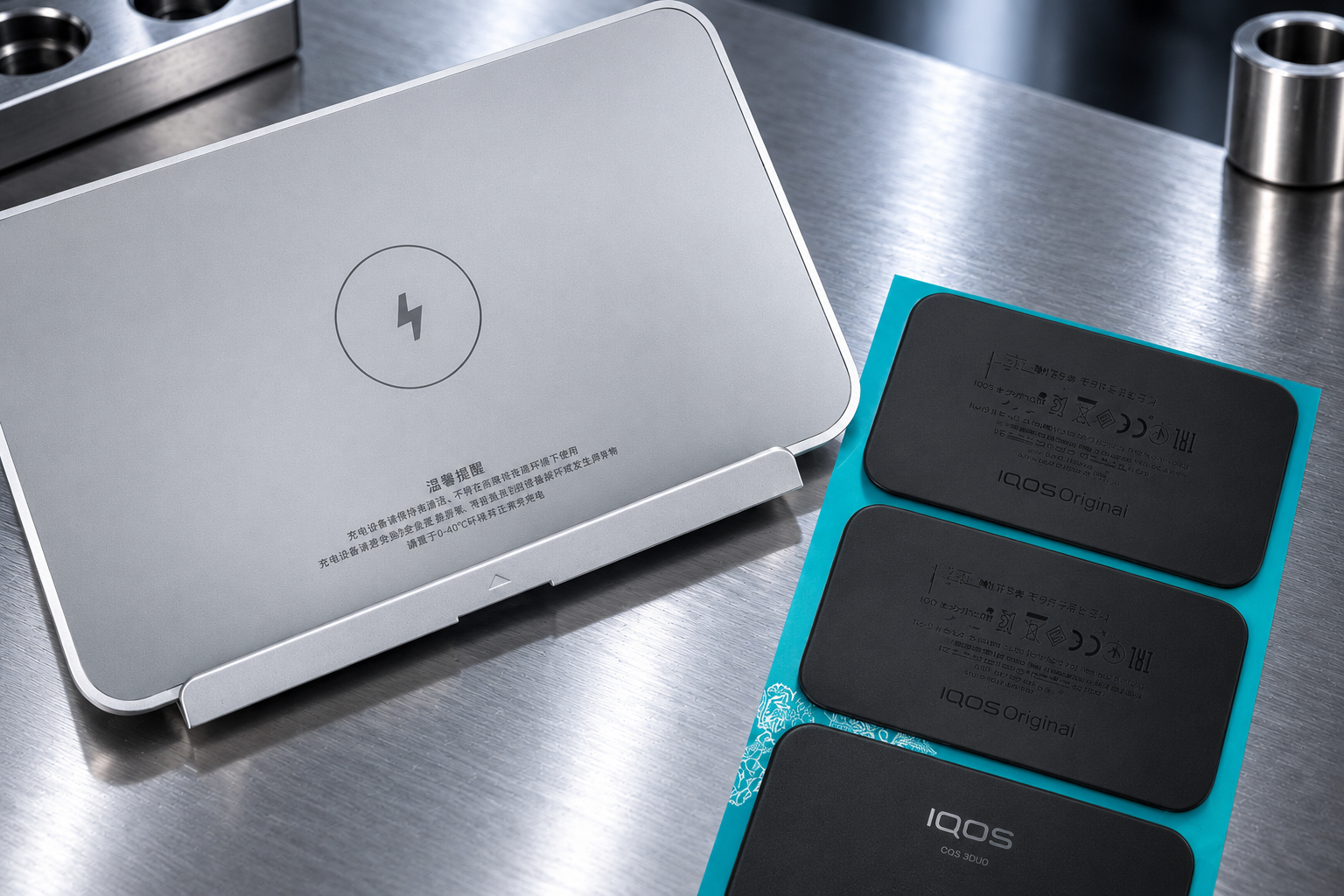
Adhesive-Backed Gaskets
Silicone gasket combined with Pressure Sensitive Adhesive (PSA) to simplify placement and assembly alignment.
Custom Gasket Shapes & Design Options
Manufacturing can start from a 2D drawing, STEP / STP / IGES file, physical sample, existing gasket, or technical specifications. We support extensive customization for your sealing interface.
Engineered Around Your Sealing Challenges
Leakage
Reason: Incorrect compression, geometry, or mating surface.
Engineering Response: Review gasket cross-section, compression ratio, and sealing interface design.
Compression Set
Problem: The gasket gradually loses sealing force over time.
Engineering Response: Evaluate compound formulation, hardness, operating temperature, and long-term compression.
Excessive Closure Force
Problem: The assembly cannot compress the gasket adequately.
Engineering Response: Consider a softer Shore A material, sponge construction, or optimized hollow gasket geometry.
Gasket Movement
Problem: Thin or flexible gaskets move out of position during assembly.
Engineering Response: Consider PSA adhesive backing or molded locating features/pins.
Dimensional Instability
Problem: Critical sealing areas require controlled geometry and tolerance.
Engineering Response: Select the appropriate molded or die-cut process based on dimensional drivers and material shrinkage.
Wrong Material
Problem: Premature failure caused by temperature, oils, chemicals, or UV.
Engineering Response: Evaluate the actual operating environment before selecting the specific silicone formulation or alternative elastomer.
Silicone Materials for Custom Gaskets
Solid Silicone
Dense structure. Suitable where defined elastomer sealing force and dimensional behavior are required under compression.
Silicone Sponge
Closed-cell or other appropriate sponge structures for lower closure-force applications and gap filling.
Liquid Silicone Rubber (LSR)
Suitable for precision molded components and complex three-dimensional sealing geometry with tight tolerances.
Food-Contact Options
Compliant materials are available where verified and project-appropriate for food processing equipment.
Flame-Retardant Silicone
Formulations available for projects requiring validated flame performance (e.g., UL94 compliance requirements).
Fluorosilicone
For applications where enhanced fuel, solvent, or chemical resistance may be required alongside temperature stability.
Silicone vs EPDM vs NBR vs FKM
| Property | Silicone (VMQ) | EPDM | NBR (Nitrile) | FKM (Viton™) |
|---|---|---|---|---|
| Temperature Stability | Excellent | Good | Moderate | Excellent |
| UV / Ozone Resistance | Excellent | Excellent | Limited | Excellent |
| Oil Resistance | Moderate | Limited | Excellent | Excellent |
| Fuel Resistance | Limited | Limited | Good | Excellent |
| Compression Behavior | Good | Good | Good | Good |
| Relative Cost | Moderate | Lower | Lower | Higher |
When Should You Choose Silicone?
Choose silicone when your gasket must operate in extreme temperatures (high or low), requires excellent resistance to UV, ozone, and weathering, or when specific food-contact or medical-grade compliance is necessary for the application.
When Might Another Elastomer Be Better?
EPDM may be considered for general weather/water applications. NBR is often selected for environments requiring high oil resistance. FKM is often considered for aggressive chemicals, fuel, and higher-temperature chemical environments. Exact selection depends on the compound.
Molded vs Die-Cut Custom Silicone Gaskets
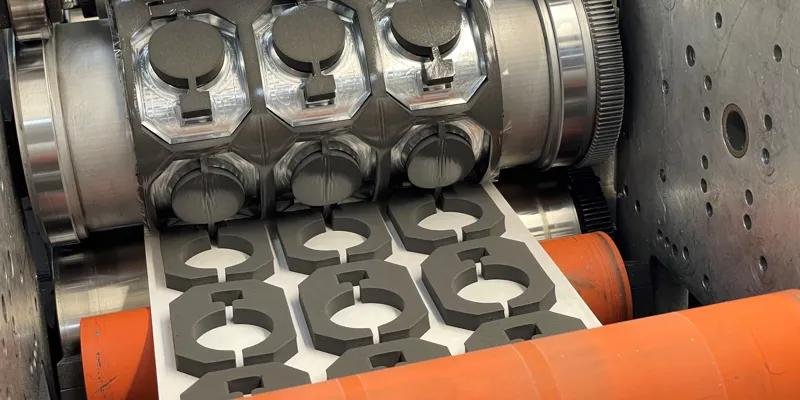
Decision: Choose molded manufacturing when the gasket contains complex three-dimensional geometry, integrated ribs, undercuts, locating structures, or a custom sealing cross-section. Choose die-cut manufacturing when the gasket is primarily flat and can be efficiently produced from silicone sheet.
| Feature | Molded Gaskets | Die-Cut Gaskets |
|---|---|---|
| Geometry | 3D, Complex, Variable Cross-Section | Flat Sheet Geometry |
| Sealing Beads | Yes, Integrated | No (Flat Only) |
| Tooling Cost | Higher | Lower |
| Prototype Speed | Moderate | Fast |
| Adhesive Backing | Possible (Post-Process) | Highly Suited |
| Tolerance Drivers | Mold & Shrinkage | Die & Material Thickness |
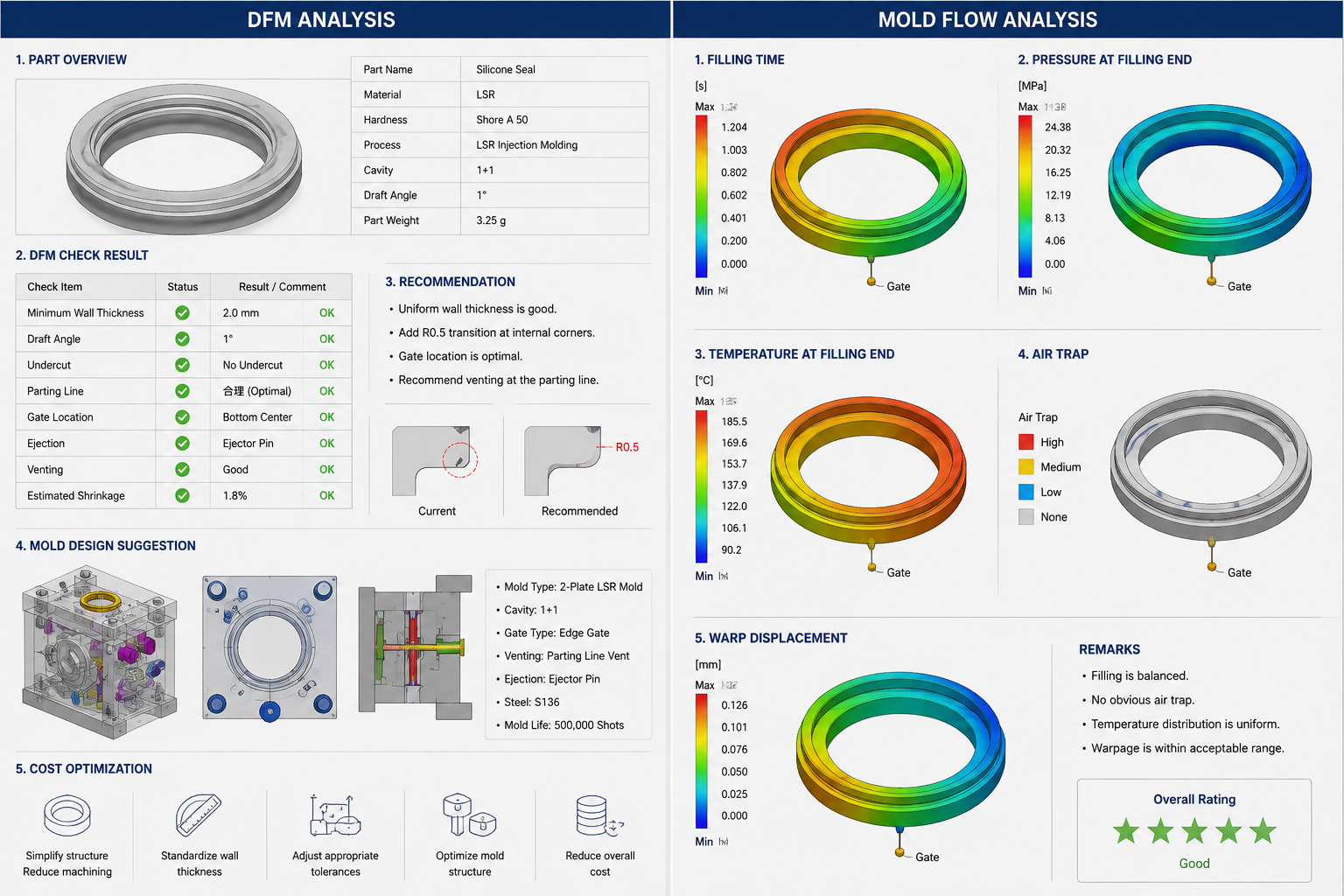
DFM Review Before Silicone Gasket Tooling
Successful gasket performance depends on the complete sealing system, not only the silicone material. Our engineers review the sealing surface geometry, groove geometry, available compression force, pressure, temperature, and assembly conditions before initiating tooling.
Silicone Gasket Compression & Sealing Design
A gasket must be compressed sufficiently to conform to mating surfaces and establish sealing contact. Too little compression may create leakage paths. Excessive compression may increase assembly stress, accelerate deformation, or reduce service life. The correct compression depends on material type, hardness, sponge density, gasket cross-section, and closure force.
Uncompressed
No sealing force.
Under-Compressed
Potential leakage path.
Recommended Zone
Optimal sealing contact.
Over-Compressed
Material stress/failure.
Custom Silicone Gasket Manufacturing Capabilities
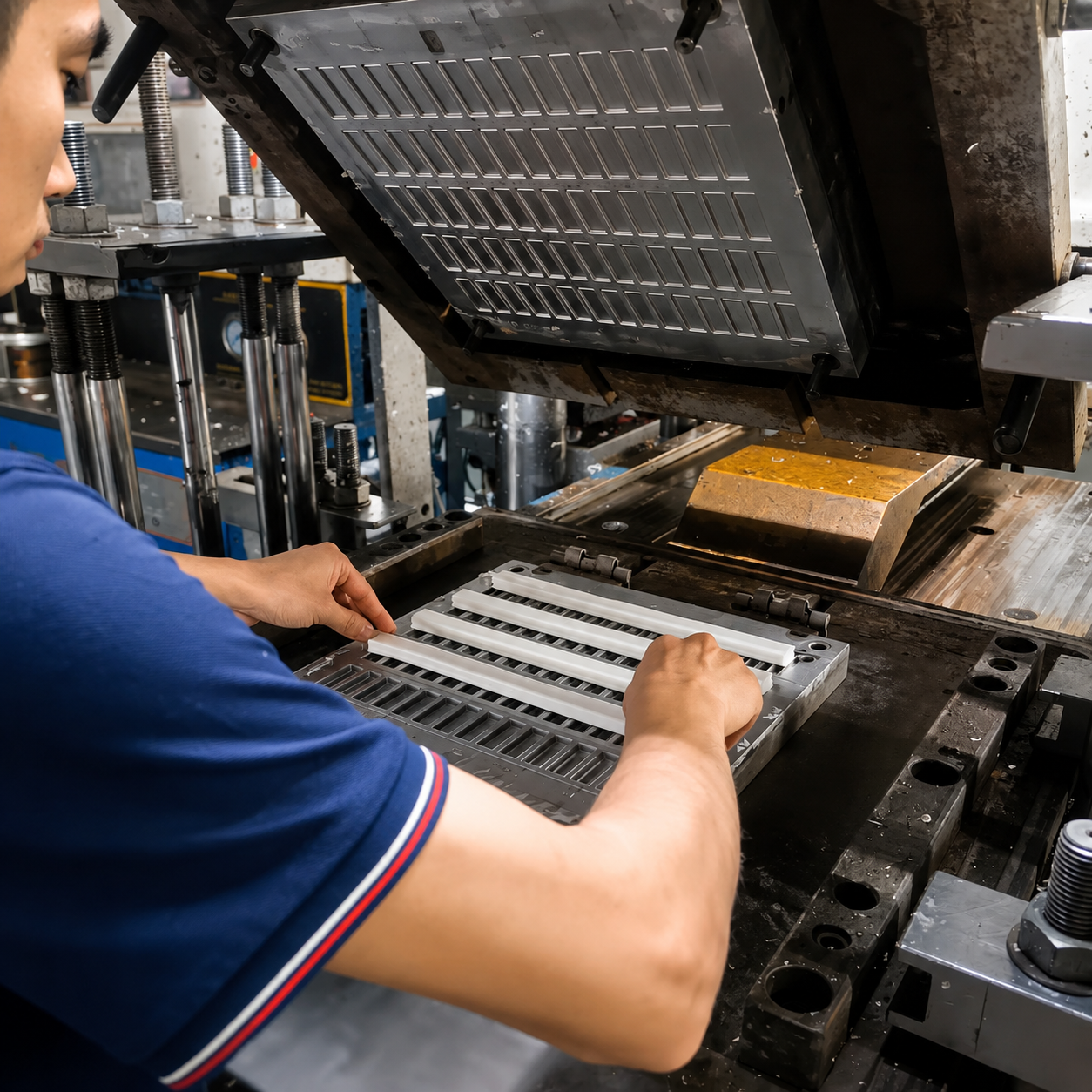
Silicone Compression Molding
For complex 3D shapes and varied production volumes.
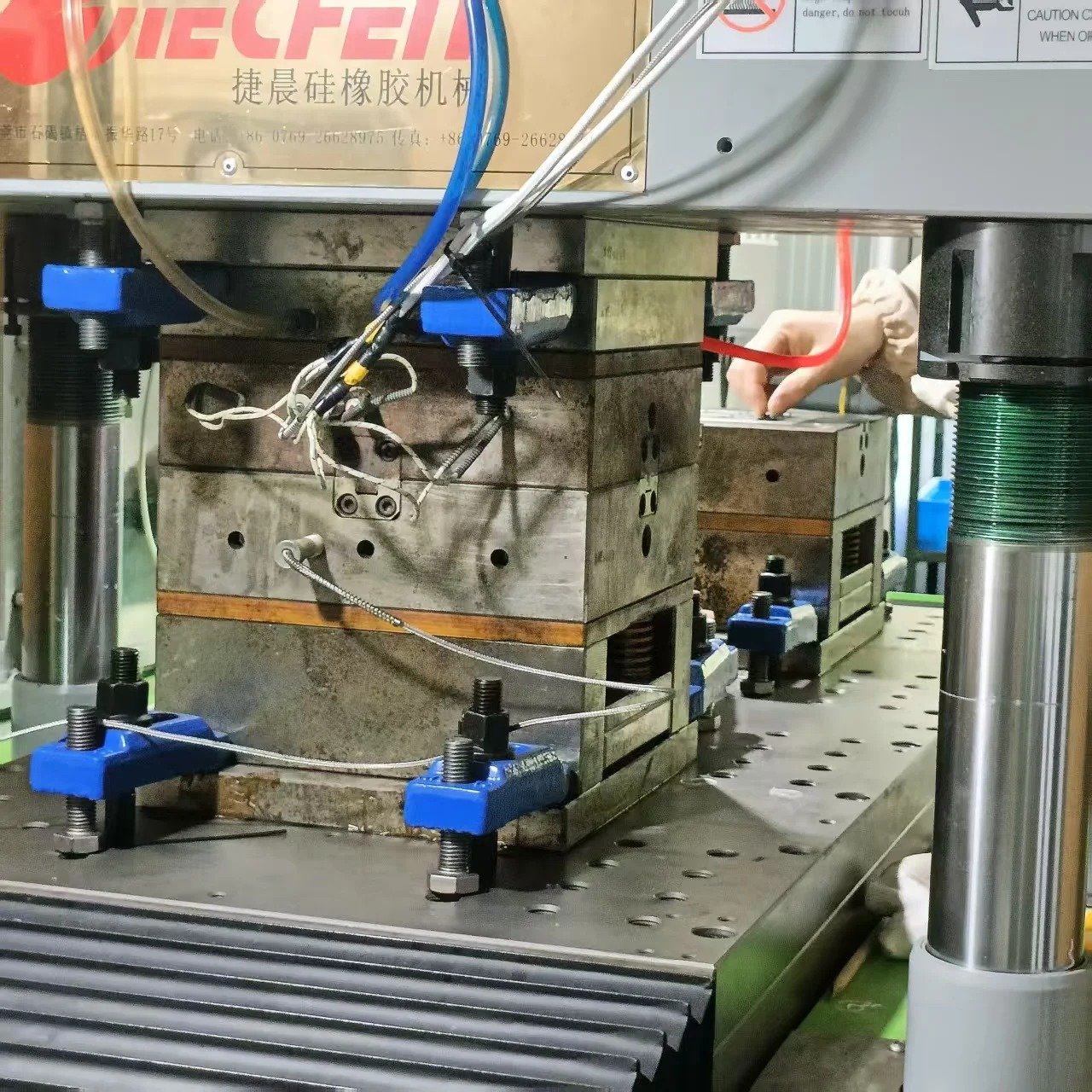
LSR Injection Molding
For precision, automated, and high-volume molded components.
Precision Die Cutting
For flat gaskets converted directly from solid or sponge sheet.
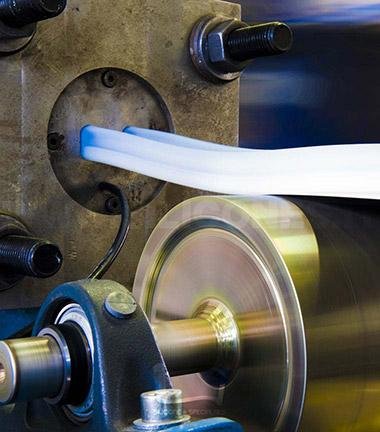
Silicone Extrusion & Joining
For large-format frame gaskets and continuous profiles.
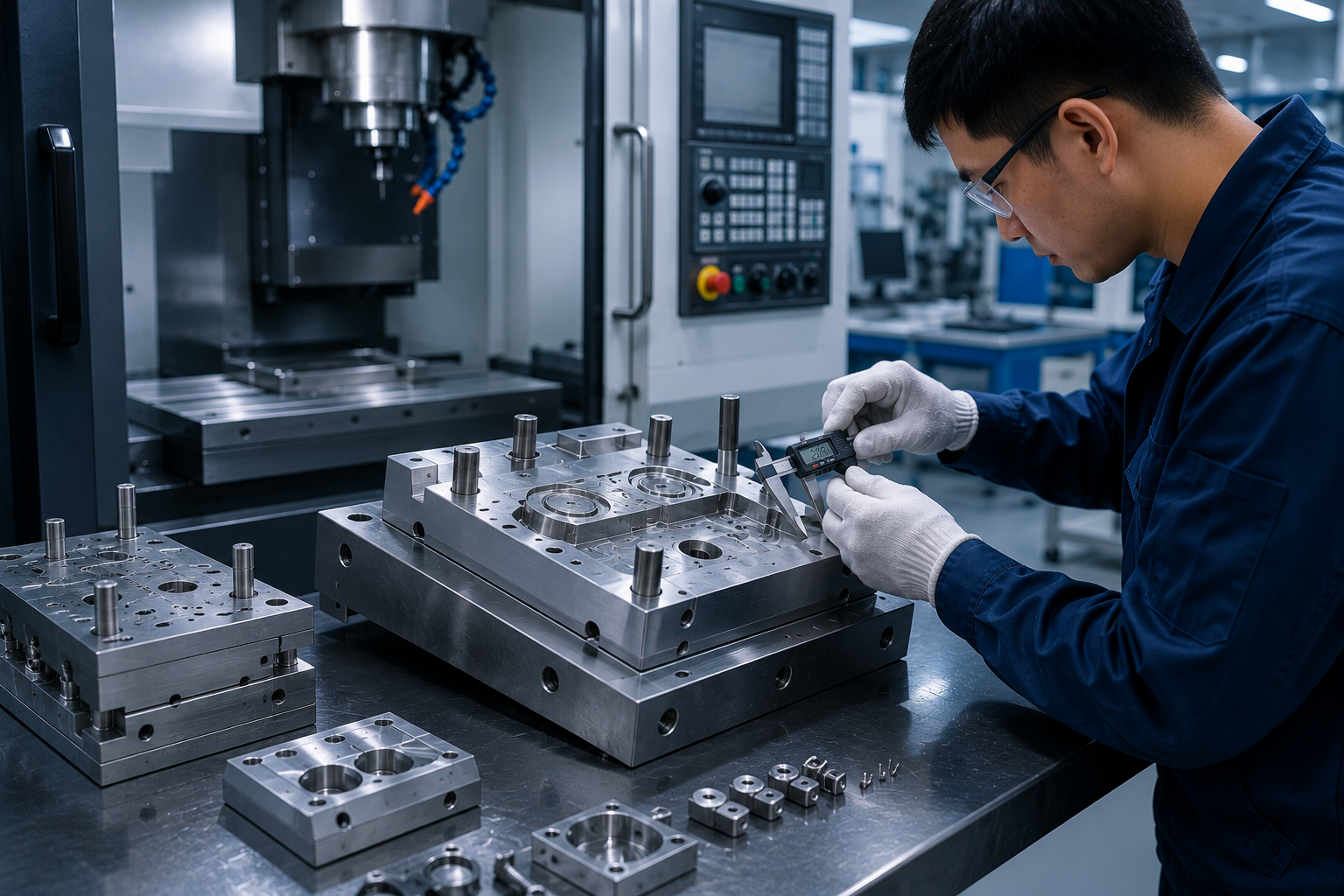
Tooling Development
In-house design and machining of production molds.
Custom Silicone Gaskets for Industrial Applications
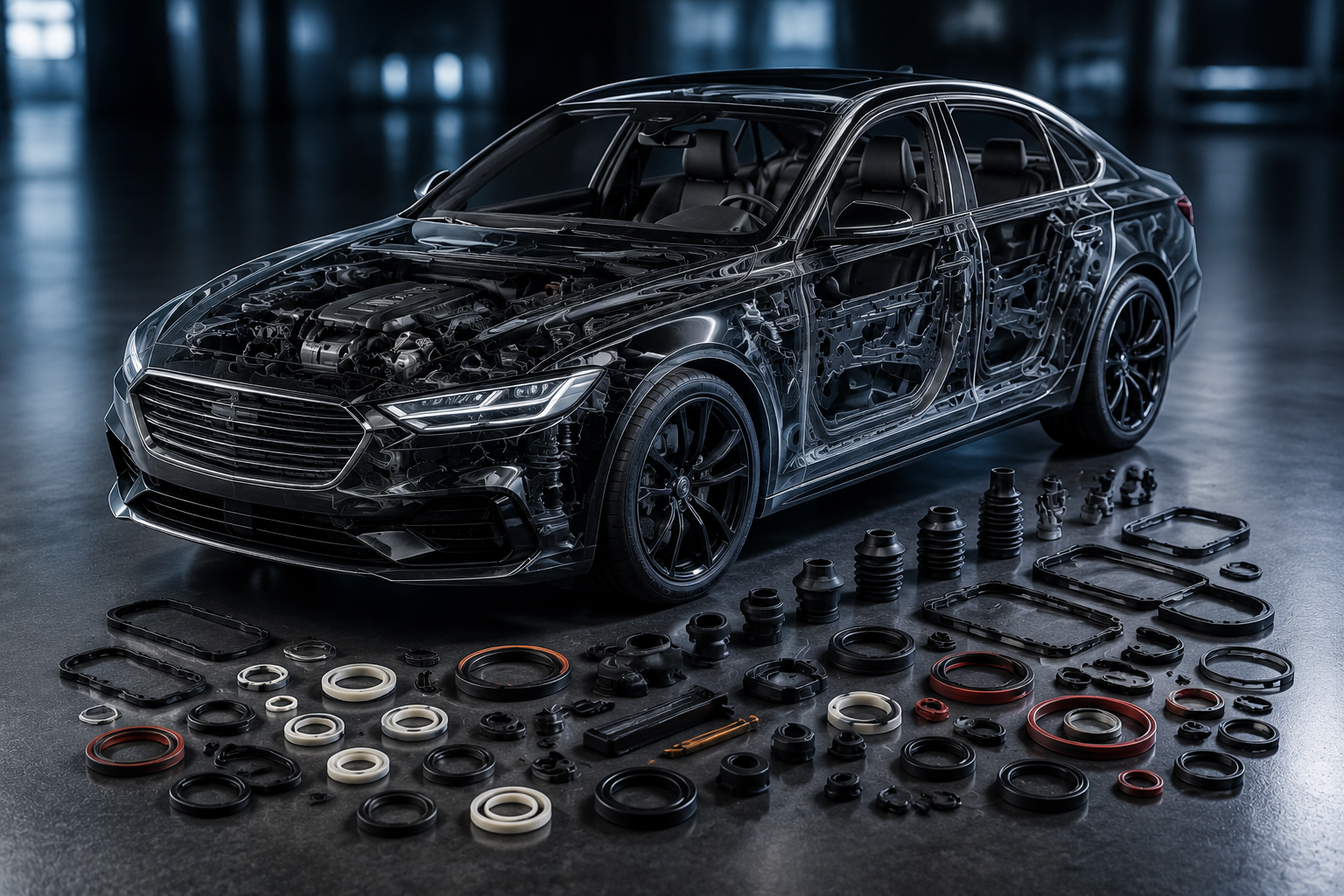
Automotive
Connectors, electronics, sensors, lighting, battery enclosures.
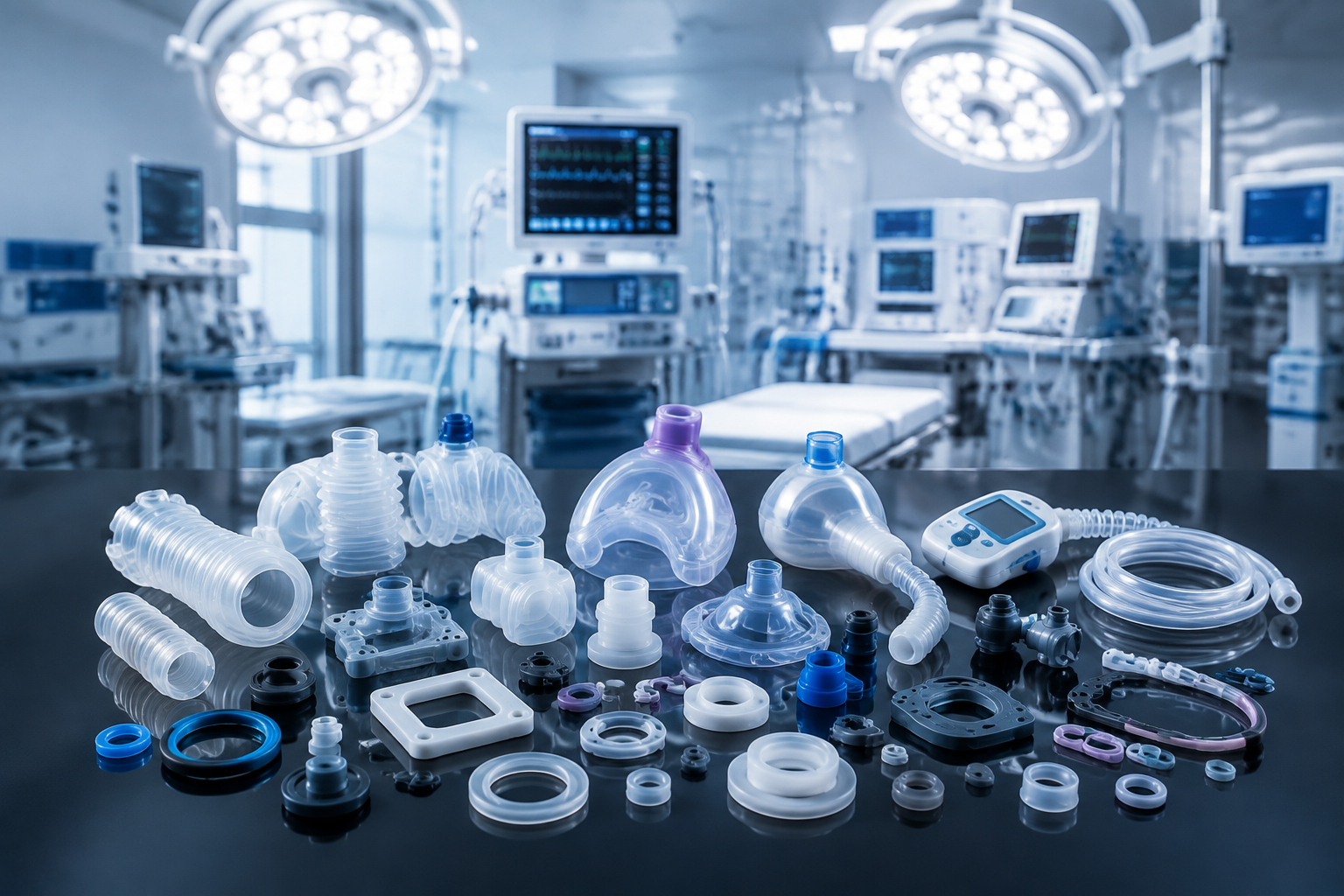
Medical Devices
Diagnostic equipment, device housings, precision LSR components.
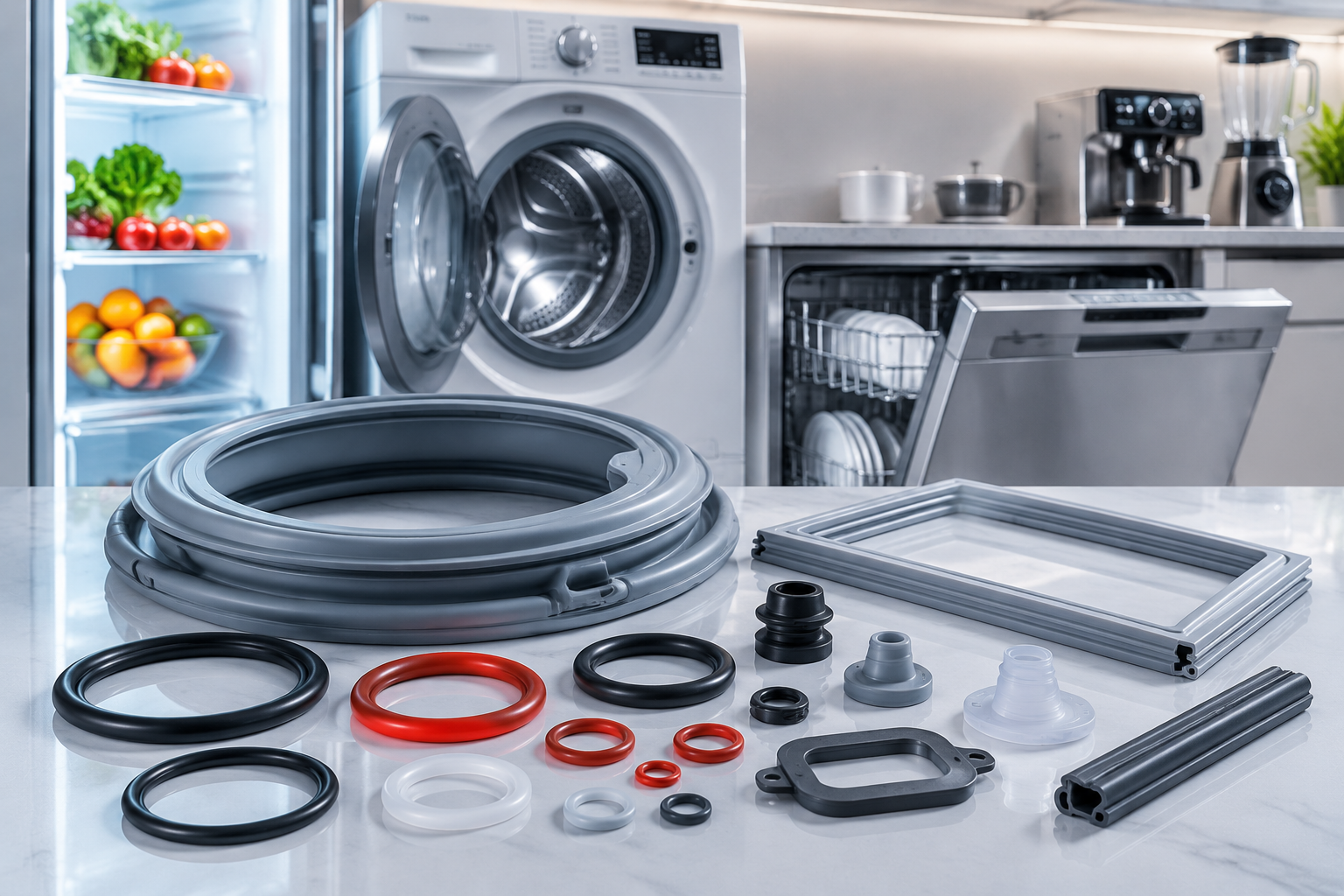
Electronics
Electrical enclosures, sensors, displays, control systems.
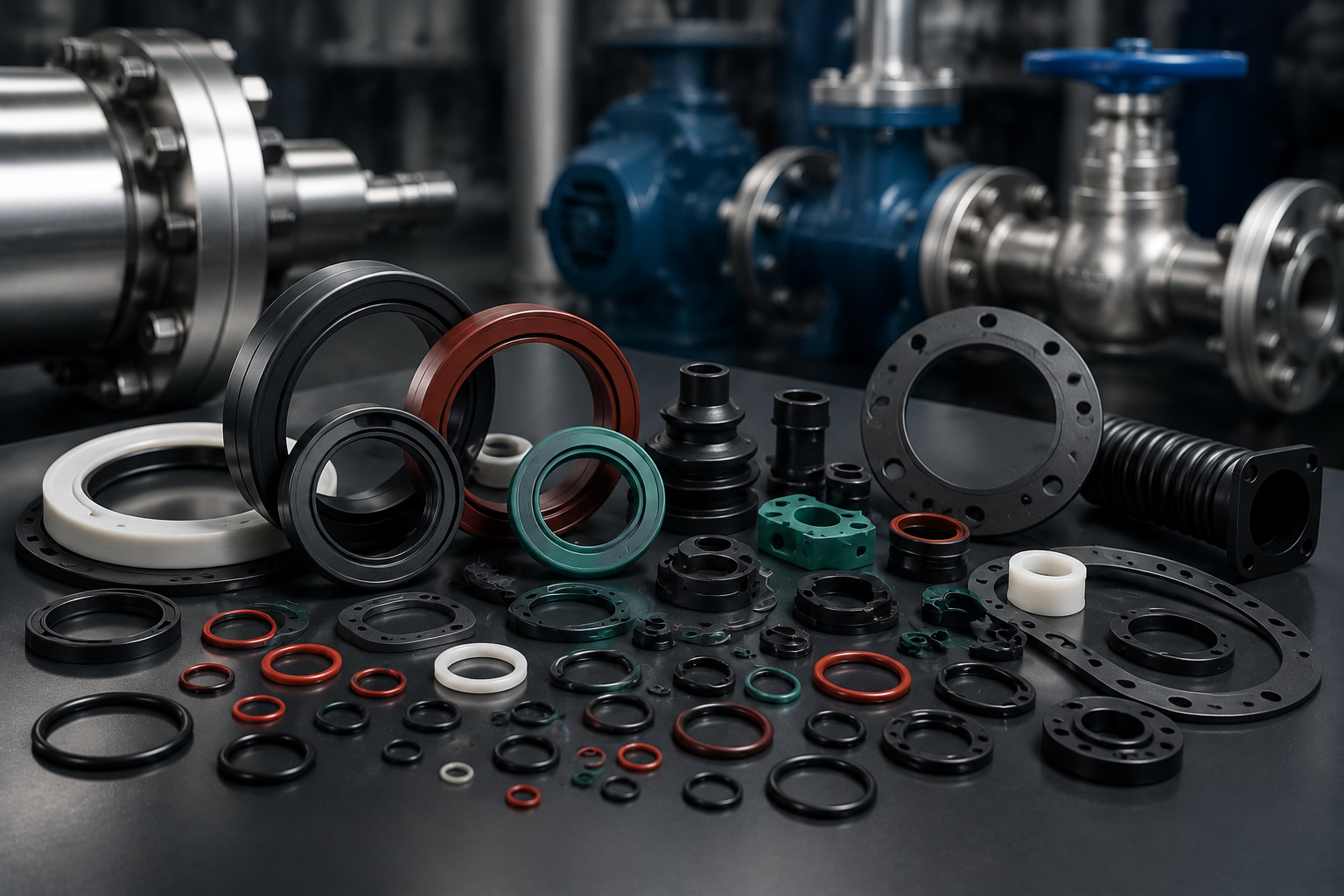
Industrial Equipment
Machinery, automation, pumps, valves, instrumentation.
Quality Control for Custom Silicone Gaskets
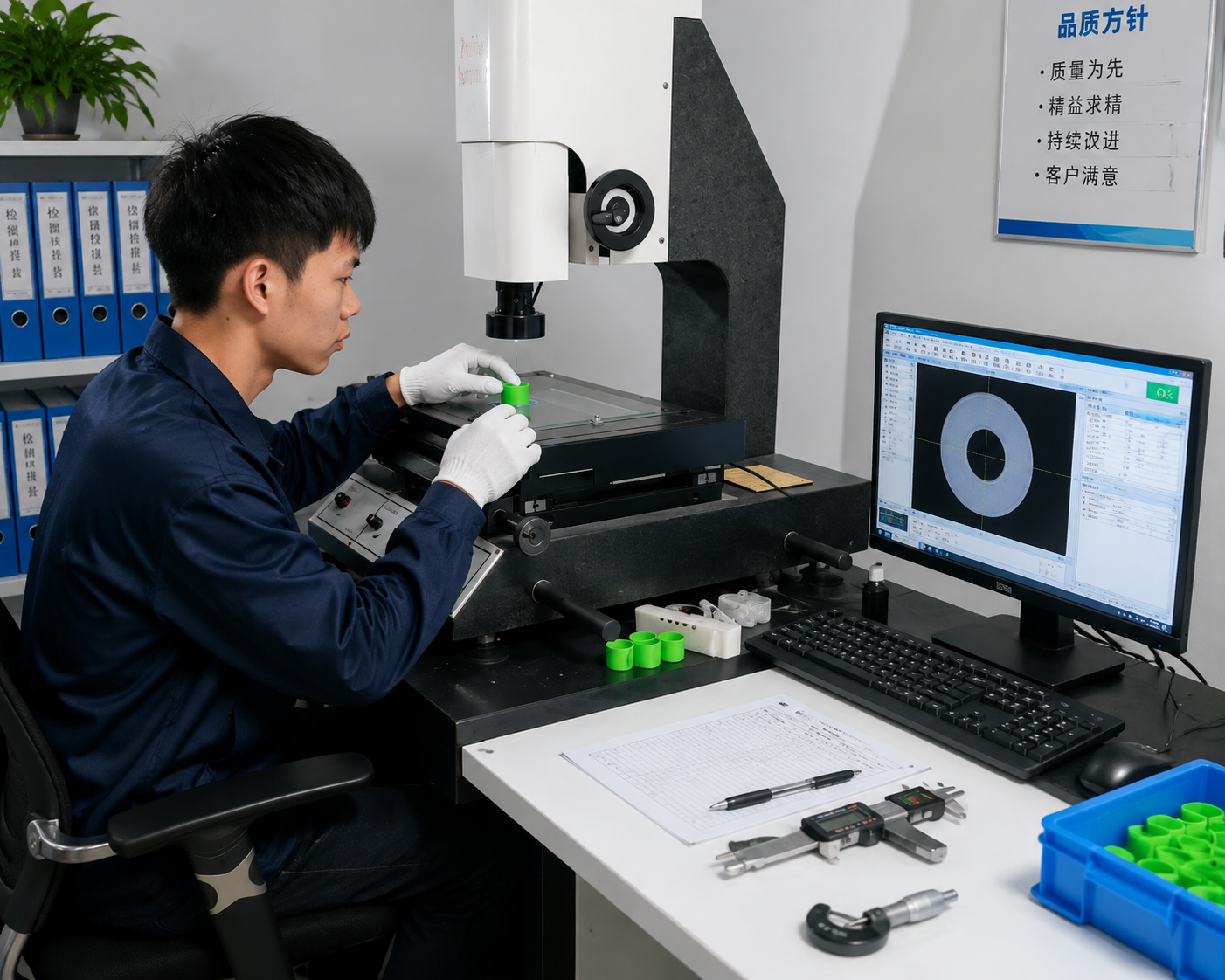
We support inspection reports, material documents, and PPAP-related project requirements where requested and applicable.
Custom Silicone Gasket FAQ
What information is required to manufacture a custom silicone gasket?
To provide an accurate quotation and manufacture your gasket, we typically require a 2D drawing or 3D CAD file (STEP, STP, IGES), desired material/hardness, operating temperature, media exposure (e.g., water, oil), annual quantity, and any specific compliance requirements.
How much should a silicone gasket be compressed?
There is no universal percentage. The correct compression depends heavily on gasket construction (solid vs. sponge), cross-sectional geometry, material hardness, and the specific application constraints. Our engineers evaluate the mating surfaces and closure force to recommend optimal compression design.
Can you manufacture irregular-shaped gaskets?
Yes. We utilize compression molding and LSR injection molding to manufacture complex, irregular, and three-dimensional sealing geometries that cannot be achieved through standard die-cutting processes.
Can I receive prototypes before mass production?
Yes. We support prototype validation using custom prototype tooling or precision die-cutting before scaling into pilot and mass production. This allows for physical testing of the sealing interface and compression behavior.
Can you sign an NDA?
Yes. As an OEM manufacturer, we routinely sign Non-Disclosure Agreements (NDAs) to protect your proprietary CAD files, drawings, and intellectual property before reviewing your project.
Need a Custom Silicone Gasket for Your Application?
Send your drawing, CAD file, sample, or technical requirements. Our engineering team will review material, hardness, gasket geometry, manufacturing process, and production constraints before providing a quotation.

ELVA ZENG
Project Manager